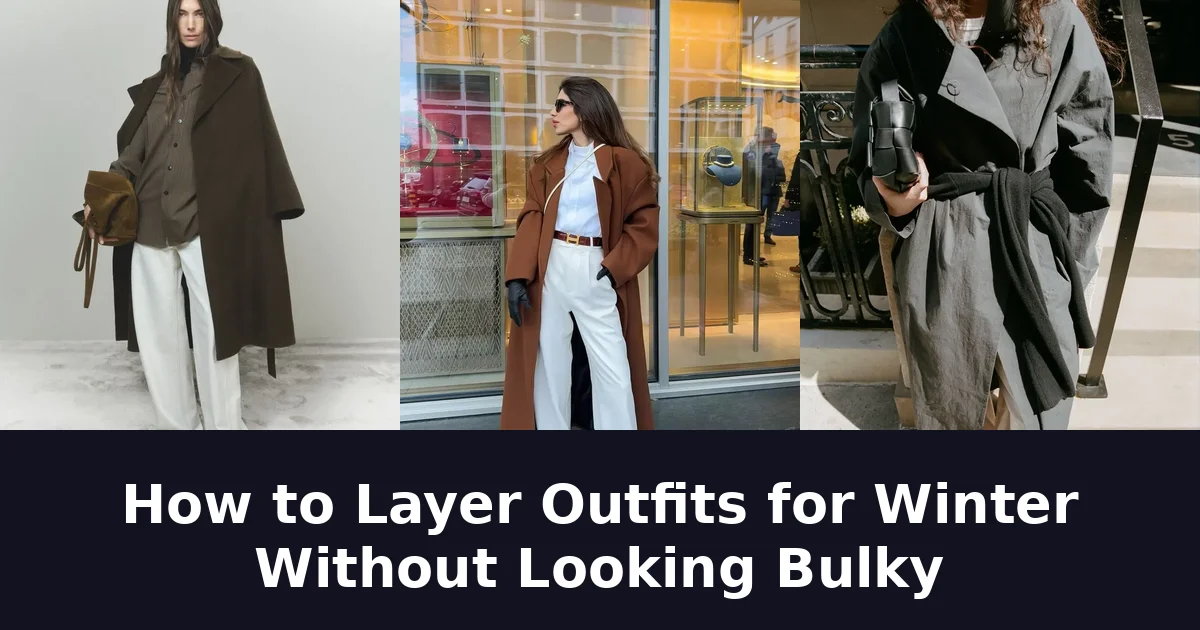
How to Layer Outfits for Winter Without Looking Bulky
Winter mornings get cold fast, and learning how to layer outfits for winter is the difference between shivering in a bulky coat and walking out warm, neat and confident. The trick is not piling on more clothes. It is choosing thin, warm pieces in the right order, so each layer does one job well. A smooth base keeps heat close to your skin, a middle layer traps warmth without adding width, and a clean outer layer finishes the look. When the layers fit close and the lengths work together, the result looks planned rather than padded. Below, ten simple ideas show you the order, the fabrics and the small styling moves that keep winter outfits warm, slim and easy to wear every day.
How to Layer Outfits for Winter
Winter layers work best when each piece earns its place. These ten ideas move from the closest layer outwards, so you can build outfits that stay warm, slim and easy to repeat.
Thermal Base Layer
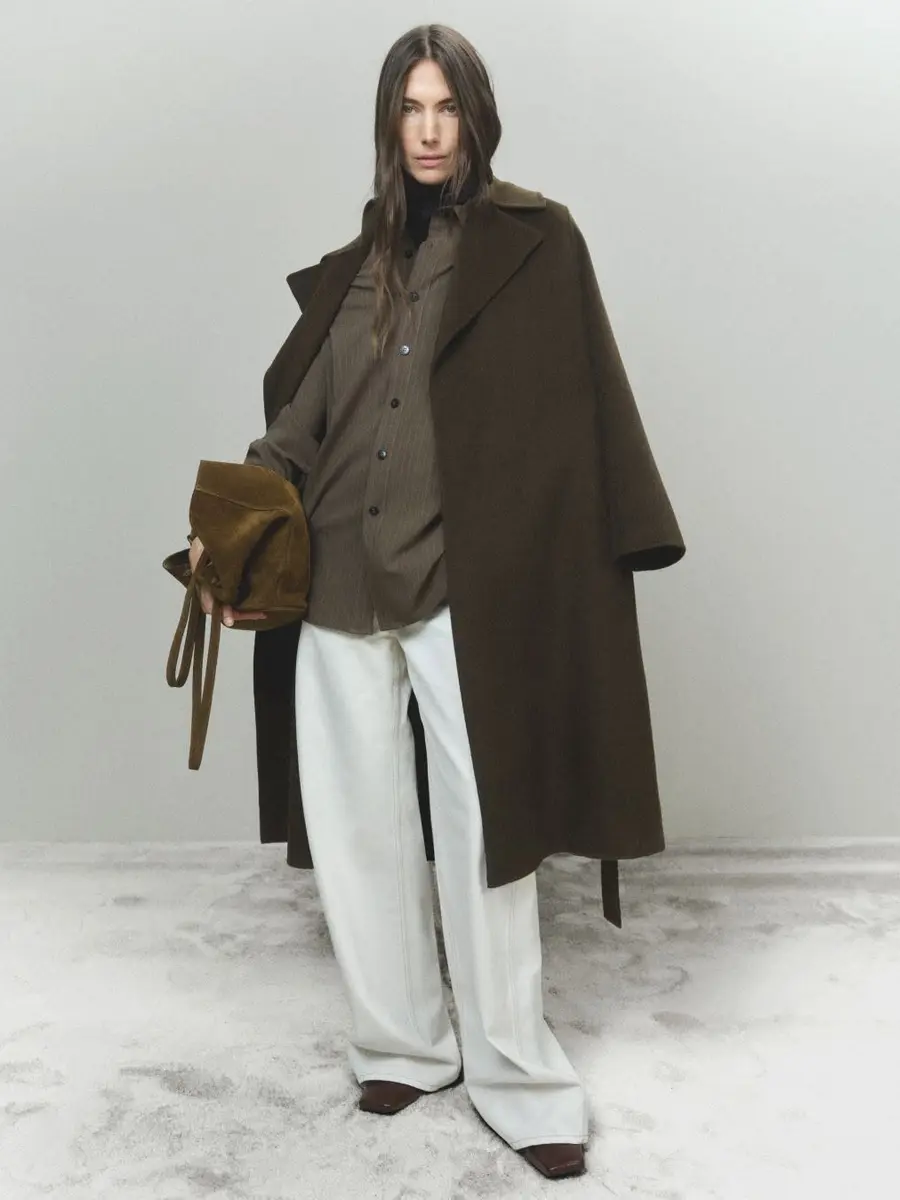
A thin thermal top is the quiet hero of a warm winter outfit. It sits close to the skin, traps body heat and disappears under everything else, so the rest of your layers can stay light. Look for a smooth, stretchy knit in black, cream or nude. Wear it under a shirt, a sweater or a dress, and tuck it into high-waisted trousers or a skirt so no fabric bunches at the waist. In my experience, a good thermal lets me wear a lighter coat on days that used to demand my heaviest one.
Fitted Turtleneck Top
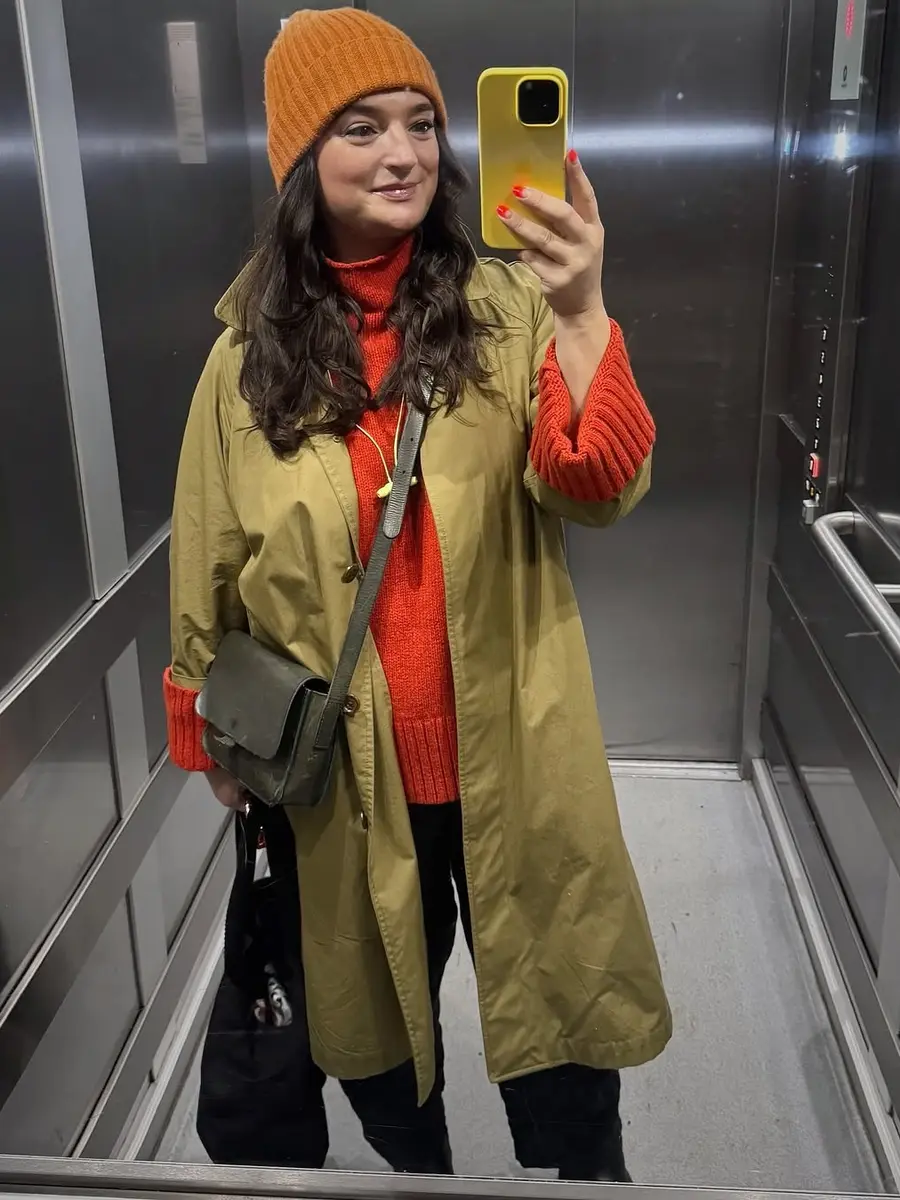
- Pick a fine-gauge knit that hugs the neck and shoulders without squeezing; ribbed cotton blends and merino wool both work well.
- Keep the colour simple, black, cream, grey or camel, so it pairs with every coat and scarf you own.
- Layer it under a blazer, a slip dress or a chunky cardigan, and let the collar peek out for a neat finish.
- Tuck the hem in fully or do a small front tuck to keep your waist visible under longer layers.
A fitted turtleneck is the easiest starting point when you are learning how to layer outfits for winter, because it adds warmth without adding width. It smooths the line under coats, fills the gap at the neck on cold mornings, and looks polished on its own when the coat comes off indoors.
See More Outfit Ideas: How to Style Black Shorts in Summer for Easy Outfits
Long Wool Coat
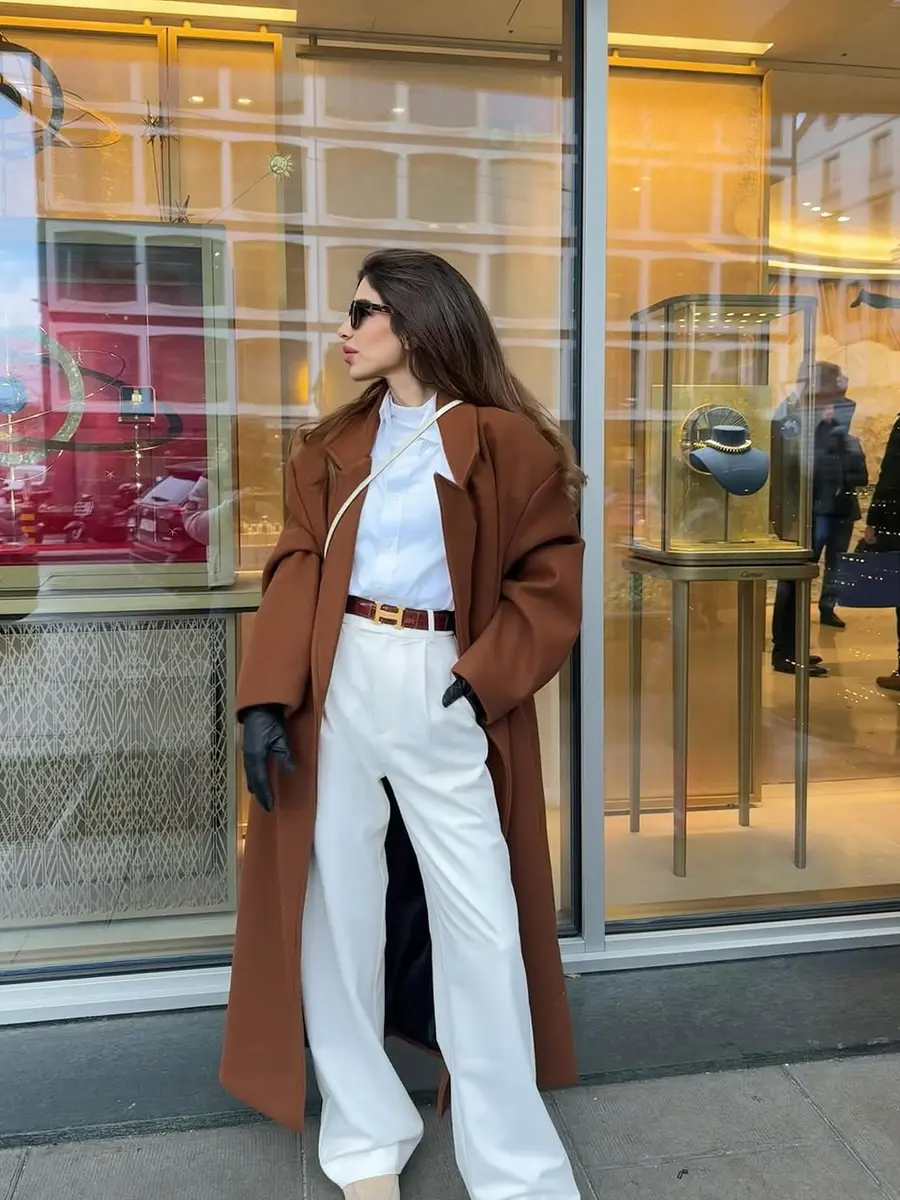
Quick Tip: Choose a coat that closes easily over your thickest sweater, with room to move your arms. A single-breasted style in a mid-weight wool looks slimmer than a double-breasted one, and a knee-length cut keeps the line long and clean.
A long wool coat pulls every layer beneath it into one smooth shape. Wear it open over a knit dress on milder days, or buttoned up with a scarf tucked inside when the wind picks up. Camel, charcoal and navy work with almost everything, while a belted waist stops the length from looking shapeless.
Chunky Knit Cardigan
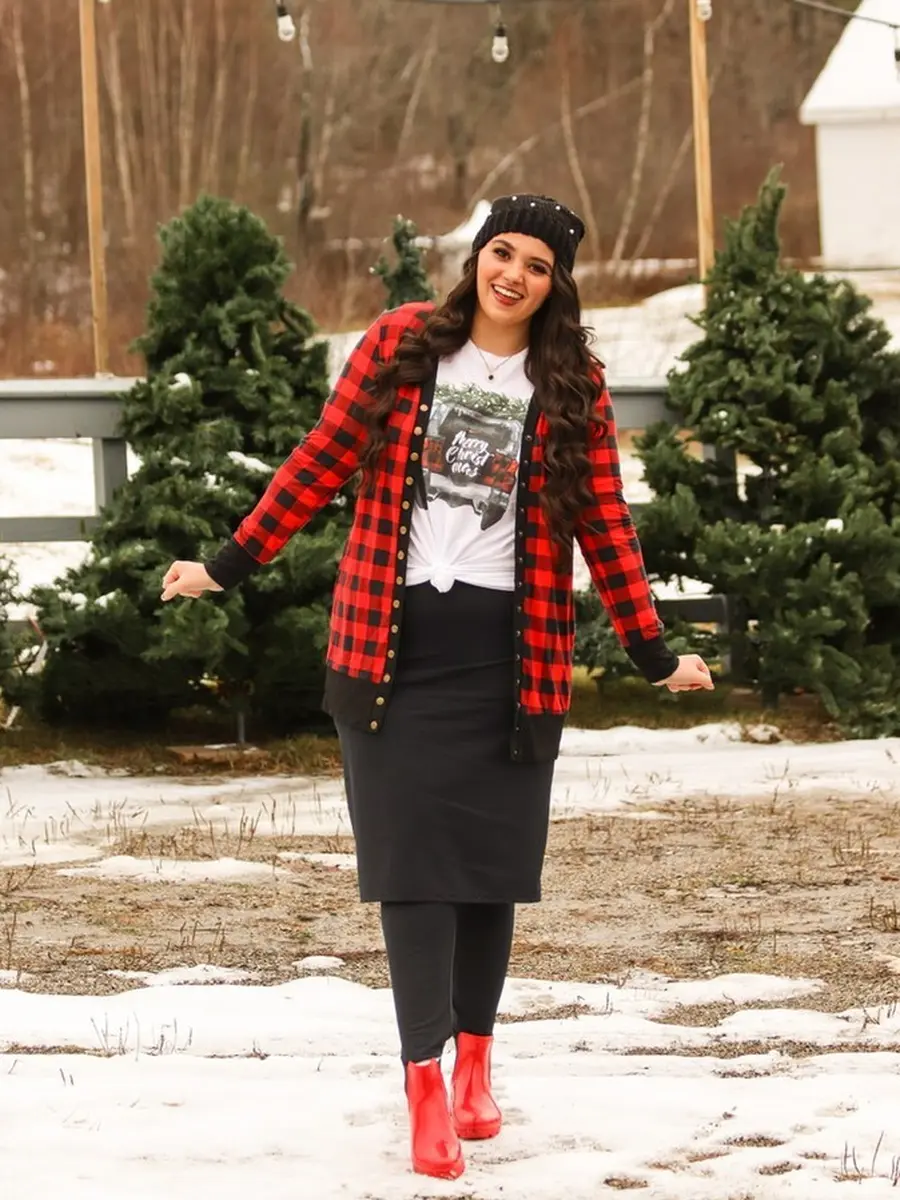
BEFORE: A thick cardigan worn open over a loose shirt and wide trousers can look shapeless, with sleeves bunching at the elbows and the hem hiding your waist completely. AFTER: The same cardigan belted at the waist over a slim turtleneck and straight jeans looks planned and cosy, with the knit adding texture instead of width. Treat a chunky cardigan as your middle layer, not your outer layer, on the coldest days. A long coat over the top keeps the knit in place and stops the wind from cutting through it. Keep the pieces underneath slim and smooth, and let the cardigan be the one soft, textured piece in the outfit.
Slim Puffer Vest
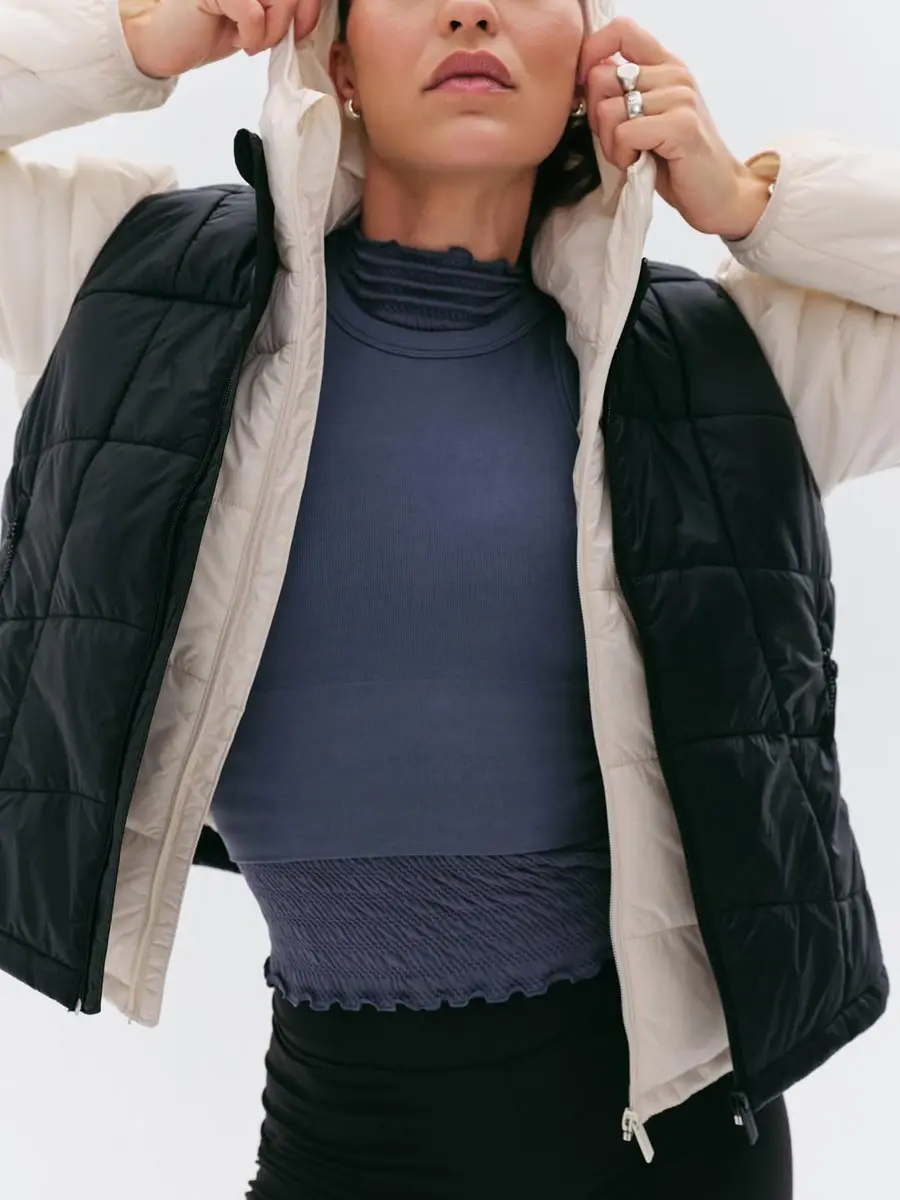
- Start with a fitted long-sleeve top or thin sweater as your base.
- Add the vest and zip it up fully so the core stays warm.
- Layer a long coat over the top on very cold days, leaving the vest as hidden insulation.
- Finish with gloves and a scarf, since your arms stay free to move.
A slim puffer vest is a smart answer to how to layer outfits for winter when your arms need freedom and your core needs heat. It warms the centre of your body without the sleeve bulk of a full puffer, so coats still fit over it.
Cashmere Scarf Wrap
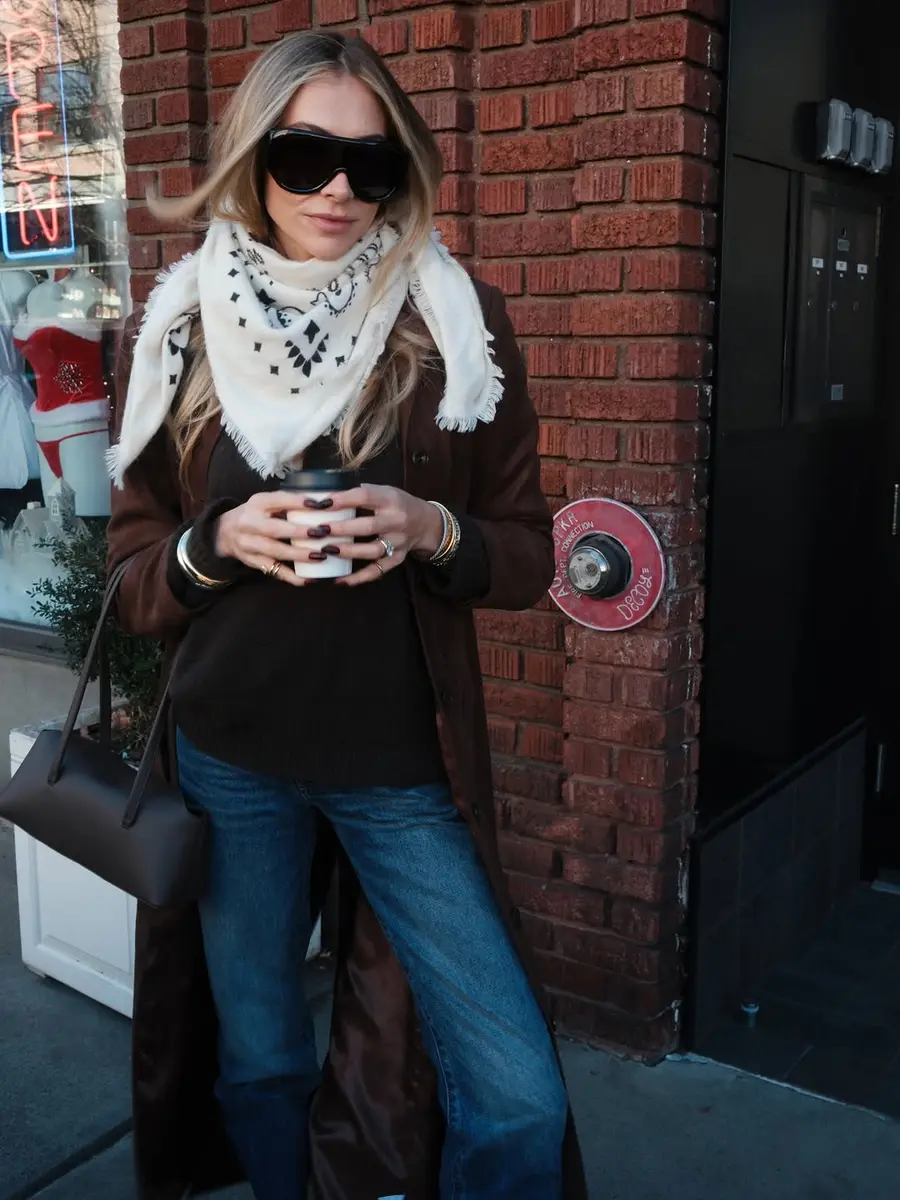
DO:
- Do choose a large, soft scarf you can wrap twice around the neck.
- Do tuck the ends inside your coat for a clean line.
- Do pick a colour that lifts a dark coat, like camel, burgundy or soft grey.
DON’T:
- Don’t let a bulky knot sit at the front of a fitted coat.
- Don’t pair a heavy scarf with a high turtleneck and a hood all at once.
- Don’t choose a scratchy fabric you will want to take off by noon.
A cashmere scarf adds real warmth with almost no weight, which is why it belongs near the top of any winter layering plan. Wrapped close, it seals the gap where cold air usually sneaks in at the neck. It also gives a plain coat a finished look.
Knee High Boots
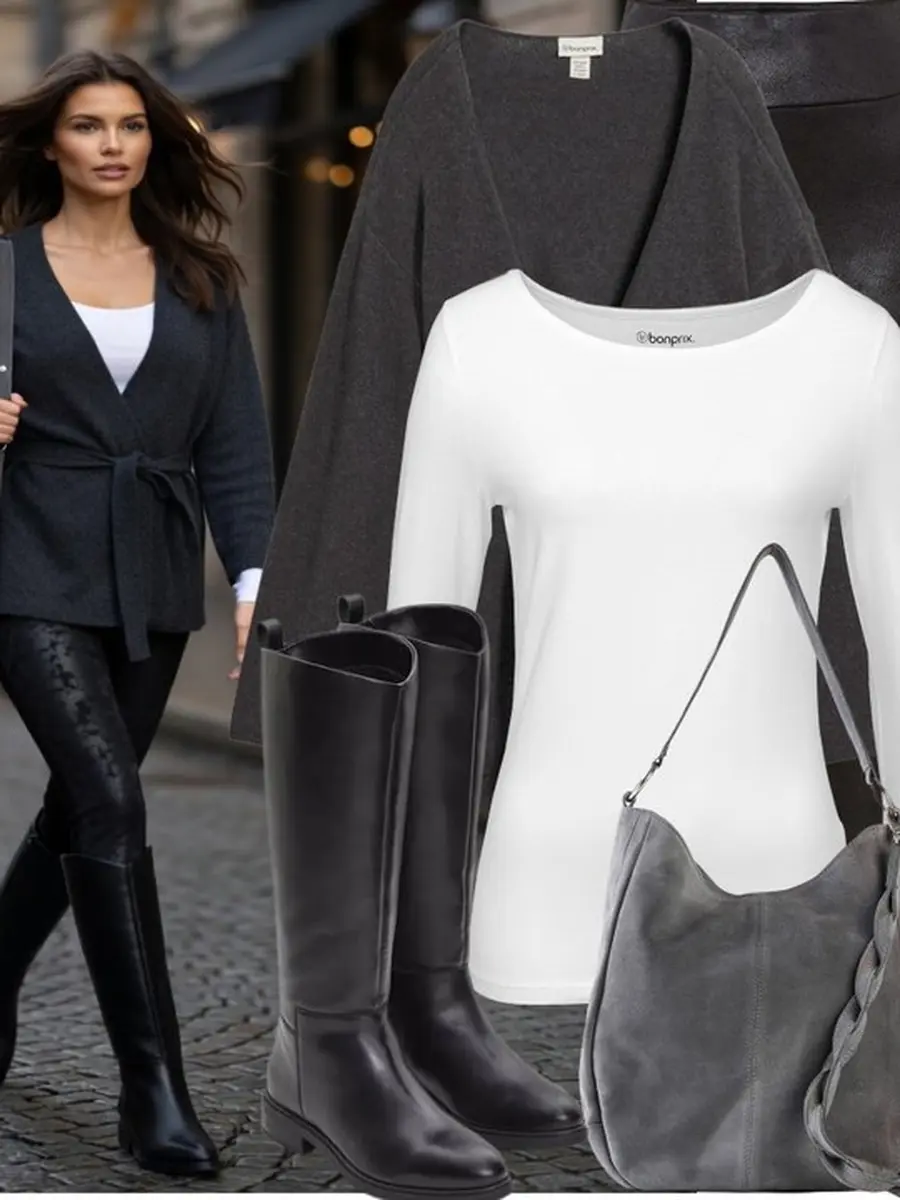
- Fit: Snug around the calf, with room for a thin sock.
- Warmth: High, since they cover the lower leg fully.
- Pairs with: Midi skirts, knit dresses and slim jeans.
- Avoid: Wide-leg trousers that hide the boot completely.
Knee-high boots close the cold gap between a skirt hem and an ankle boot, and they make midi lengths wearable deep into winter. Wear them under a knit dress with tights, or over slim jeans tucked in neatly. A flat heel keeps them comfortable for long days.
Belted Coat Look
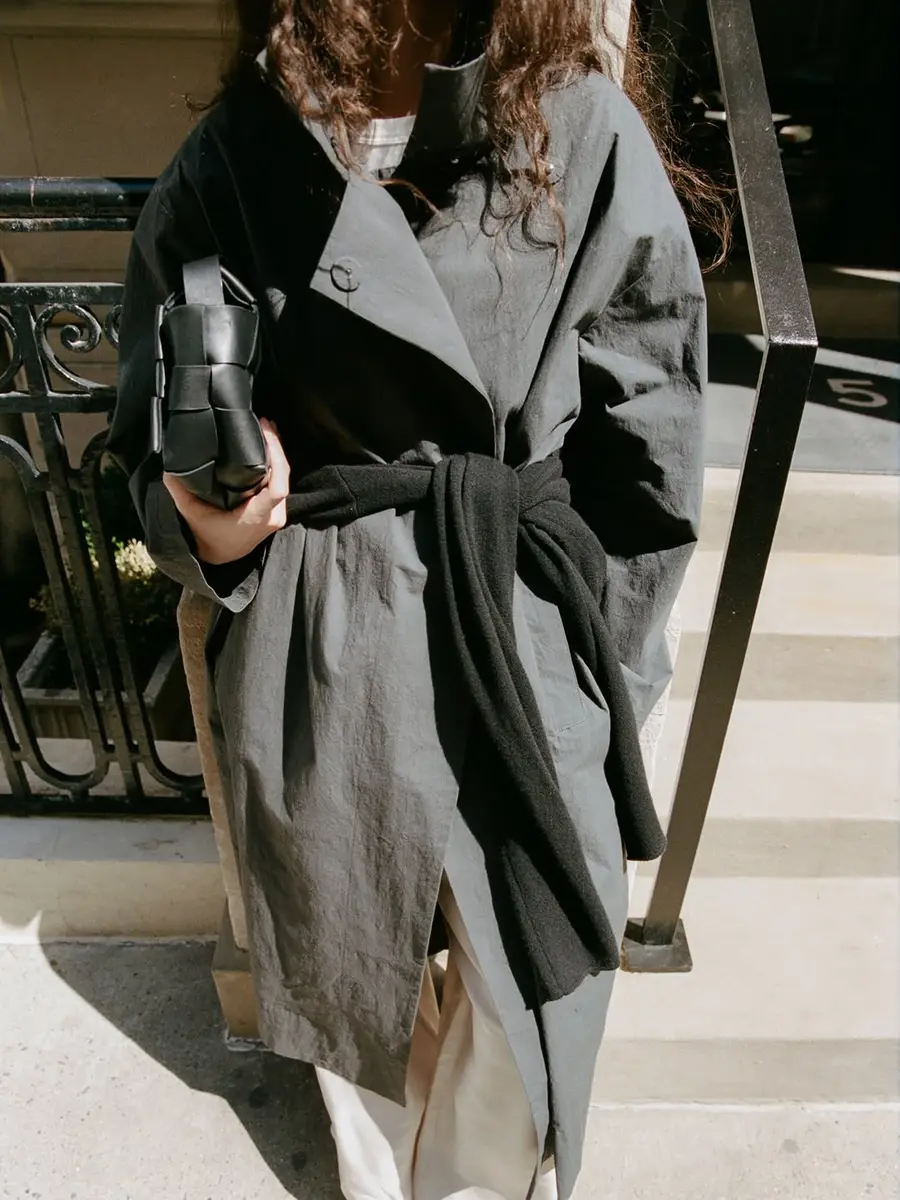
A belt changes a straight coat from a shapeless cover into a defined outfit. Cinch it at your natural waist, not at the hips, and the coat follows your shape instead of hiding it. This works best with wool and wrap coats, since the belt also holds the layers beneath in place. The belted look is also a useful lesson in how to layer outfits for winter, because one detail can slim a whole stack of clothes. Let the coat fall open slightly below the belt, and wear a scarf tucked inside rather than piled on top.
Plaid Shirt Layer

- Wear a soft flannel plaid shirt open over a plain thermal or fitted tee.
- Roll the sleeves to the elbow when the shirt sits under a chunky knit.
- Keep the plaid to one piece per outfit so the pattern stays the star.
- Tuck the shirt into jeans or a skirt to stop extra fabric bunching at the waist.
- Choose red, green or neutral plaid to match the coats you already own.
A plaid shirt adds pattern and warmth between your base and your coat without much weight. It works for casual weekends, school runs and relaxed office days, and it looks just as good under a denim jacket as under wool. When the coat comes off indoors, the shirt keeps the outfit interesting on its own.
Faux Fur Trim Coat
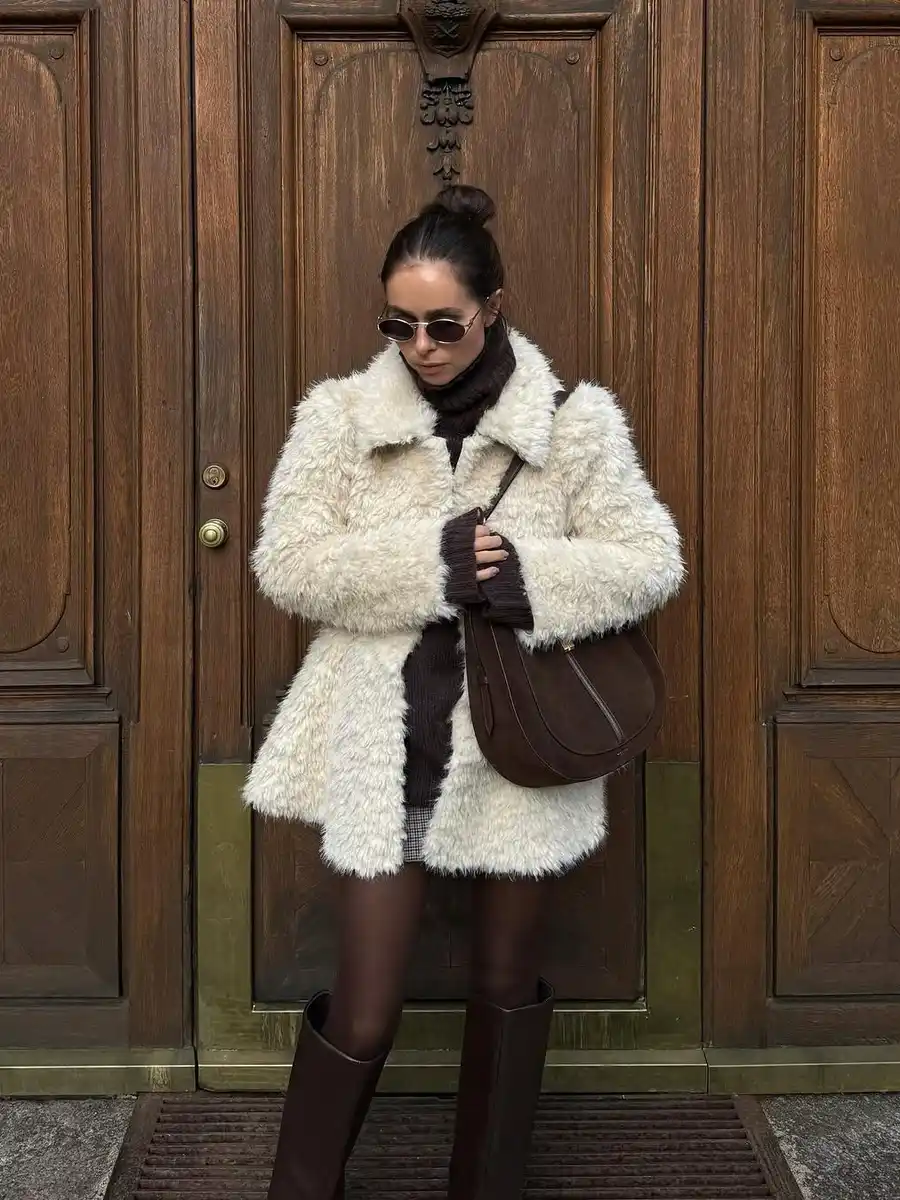
Quick Tip: Let the fur trim be the only statement in the outfit. Keep everything underneath plain and slim, choose a coat with trim at the collar or cuffs rather than all over, and skip a heavy scarf so the trim stays visible.
A faux fur trim coat brings instant winter warmth and a soft, polished finish to layers. Wear it over a black turtleneck and straight trousers, or over a knit dress with tights and boots. The trim frames your face and lifts dark winter colours, while the coat itself does the heavy work against the cold.
Conclusion
Winter dressing gets easier once you stop adding bulk and start choosing layers with a job to do. Thin thermals, fitted knits, slim vests and one good coat can carry you through the coldest weeks without ever looking padded. Remember to keep the closest layers smooth, let one piece add texture, and finish with a belt or a scarf that shapes the whole outfit. Now that you know how to layer outfits for winter, try one idea this week, notice what feels warm and comfortable, and build your own cold-weather formula from there.